
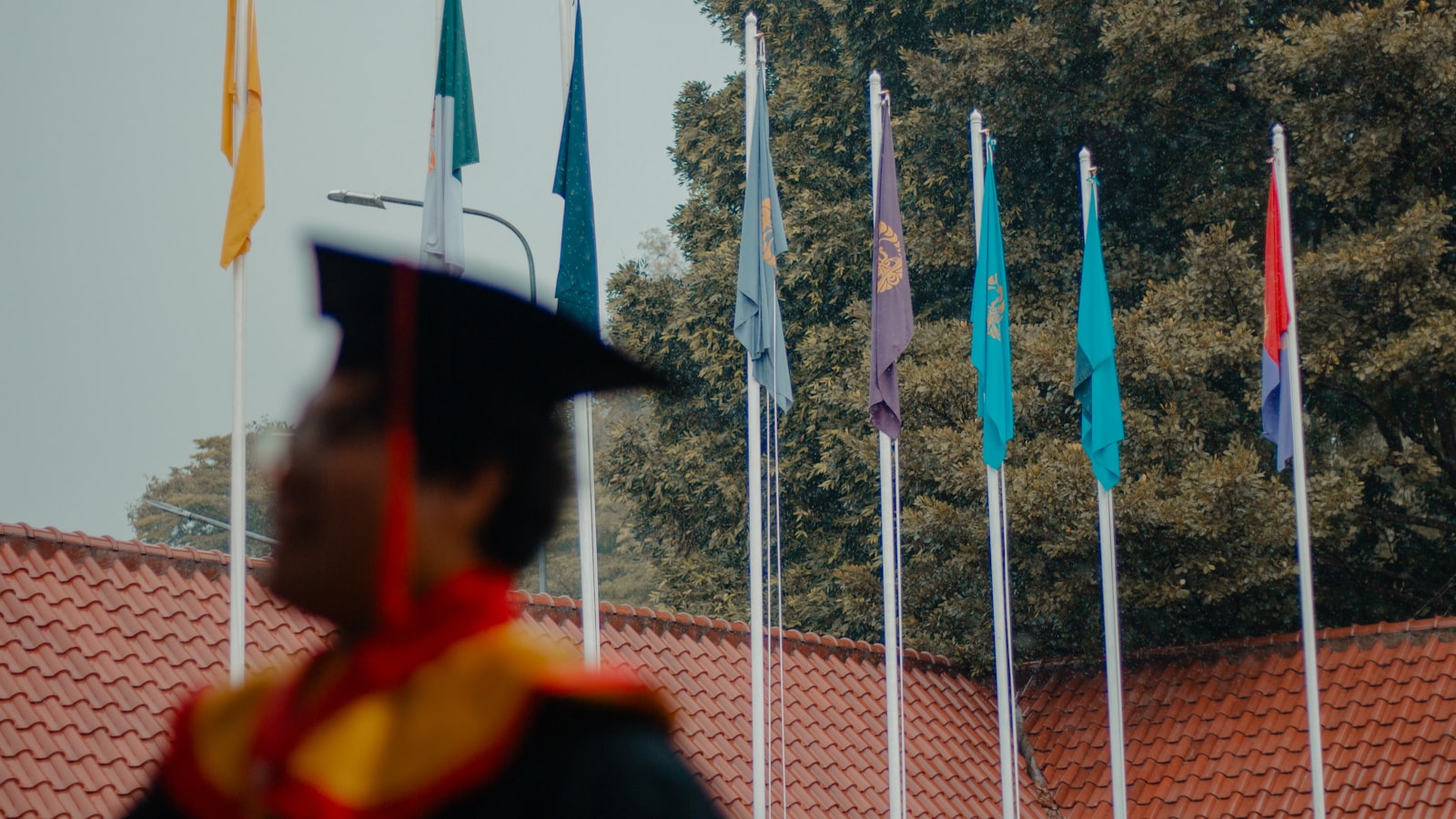
For most of the last century, a degree has functioned as a trusted shortcut. Employers couldn't directly verify what a candidate actually knew, so they relied on an institution's name and a piece of paper to vouch for it. That shortcut worked reasonably well when credentialing was scarce and expensive to fake. It's working less well now — not because degrees suddenly became worthless, but because the alternative ways to demonstrate real competence have gotten dramatically better.
The proxy was never the point
Nobody actually wants a degree for its own sake — they want what it's supposed to signal: that a person can think critically, communicate clearly, and apply what they've learned. A credential was always a stand-in for those things, useful mainly because direct measurement was hard. AI tools are quietly making direct measurement easy. When a system can assess reading comprehension, written argument, and spoken fluency in real time and show the evidence, "trust the institution" starts to look like a weaker signal than "look at the demonstrated skill."
What replaces the proxy isn't chaos — it's evidence
This isn't an argument that credentials are about to disappear, or that formal education stops mattering. It's an argument that the credentials worth having in the next decade will be the ones backed by documented, verifiable evidence of skill — not just attendance. That's a demanding standard, but it's also a fairer one: it rewards actual capability regardless of which school a student happened to attend, or how much their family could afford.
- Documented baselines and progress tracking are becoming as important as final results
- Skill verification through real performance is increasingly available outside traditional institutions
- Employers and universities alike are paying more attention to demonstrated ability, not just credentials on paper
Where this leaves students today
The practical takeaway isn't "don't bother with exams or qualifications" — HKDSE results still open real doors, and that isn't changing soon. It's that the students who build a genuine, evidenced track record of improvement — not just a final grade, but a documented history of closing their own gaps — will be better positioned for whatever comes after, credential or no credential. That's the standard we try to hold Edspark to as well: not just "the student passed," but "here's the evidence of how they got there."